When Death Metal Got Dark
Death metal was built in the gutter by people who genuinely wanted to terrify you. Most of the time that darkness stayed on the record like with Cannibal Corpse. Sometimes it spilled out into the real world. While I really dig bands like Obituary, Opeth, and At the Gates – I wanted to explore if there are any dark facets of death metal history – like what I’ve done in my previous videos. So, here are thirteen moments when the genre’s obsession with extremity collided with the real world — and things got genuinely dark.
#13 – The Tape Trading Underground and the Snuff Rumours That Wouldn’t Die (Late 1980s)
Before the internet, death metal ran on cassette tapes mailed between strangers. Fans wrote to addresses in xeroxed zines like Slayer Magazine, sent blank tapes and a few dollars for postage, and got back dubbed demos from Sweden, Brazil, Germany. It’s how Death, Possessed, and Autopsy built fanbases before they had record deals — one of the most organic distribution systems music has ever seen.
But the network had a shadow side. By the late 1980s, rumours circulated that certain traders were distributing more than music — snuff footage, actual violence. The stories grew with each retelling. Law enforcement in several countries investigated. Raids happened. Some prosecutions followed, mostly for obscenity violations rather than documented real violence. For most participants the rumours were absurd. For a small number, apparently not.
#12 – The Grotesque Reality of Obituary’s Burnout and the Mental Toll of Writing Extreme Music (1990s)
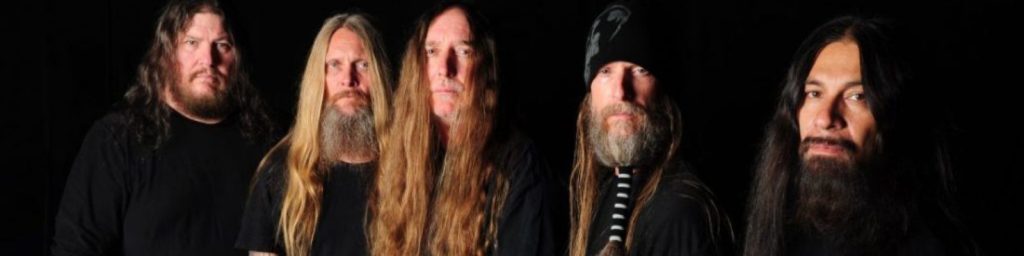
Obituary’s one-two punch of Slowly We Rot and Cause of Death between 1989 and 1990 defined Florida death metal at its most devastating. Then they broke up in 1997 under the weight of burnout and internal fracture, went silent for six years, and quietly returned in 2003.
There was no dramatic implosion, no crime, no death. Just people who had spent years living inside the most extreme music imaginable eventually reaching a point where they couldn’t do it anymore. The question nobody in the scene was asking — what does it actually cost a human being to write this music, perform it, live inside it — is written into that six-year silence. Obituary found their way back. Not everyone does.
#11 – Six Feet Under’s Chris Barnes and the War Over Lyrical Extremity

Chris Barnes sang on Cannibal Corpse’s first three albums — the most banned records in death metal history. He left in 1995 and formed Six Feet Under, where he spent the next three decades escalating his lyrical content to the point where even dedicated death metal critics started publicly questioning not just the quality of the music but the intent behind it.
Barnes has consistently argued that extreme fiction is extreme fiction regardless of discomfort. That’s a defensible position. But his career forced a conversation the death metal scene had been avoiding: where does theatrical transgression end and something genuinely troubling begin? Nobody agreed on the answer. The argument is still going.
#10 – The Slow Erosion of the Florida Scene’s Founding Generation
The Tampa death metal scene of the late 1980s produced some of the most influential extreme music ever made in a remarkably short window. It also consumed the people who made it with remarkable efficiency.
Terry Butler played bass on Death’s debut Scream Bloody Gore in 1987 before moving through Obituary and Six Feet Under — his career is essentially a map of the entire Florida scene. What that map also shows, if you look closely, is a consistent pattern of financial exploitation, substance abuse, fractured relationships, and musicians who built a multi-million dollar genre seeing very little of that money themselves. The infrastructure around death metal extracted enormous value from the people at the bottom and returned almost none of it. Most of the founding generation never got a benefit show. They just quietly disappeared from the story.
#9 – The Rotting Christ Situation and the Ongoing War Against Extreme Metal in Conservative Countries
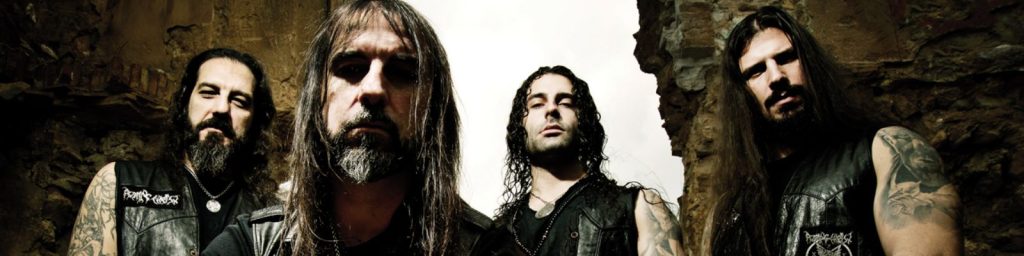
Rotting Christ have been active since 1987, released thirteen studio albums, and are one of the most important bands in European extreme metal. They have also been arrested, repeatedly targeted for cancellation, and placed on a terrorism watchlist — because of their name.
In April 2018, founding members Sakis and Themis Tolis were detained at Tbilisi Airport in Georgia for twelve hours, passports and phones confiscated, after authorities classified them as suspected satanists and terrorism risks. In March 2019, a concert in their home country was canceled following a pressure campaign from religious nationalists, with the venue citing vague technical problems nobody believed. The Greek Orthodox Church has run a sustained campaign against them for decades.
This isn’t anything new to hardcore metal fans. Bands are still being banned, arrested, and canceled right now for playing music that offends religious authorities. The darkness in extreme metal’s story isn’t always in the past. Sometimes it’s a detention cell in an airport in 2018.
#8 – Morbid Angel’s ‘Illud Divinum Insanus’ and the Career Implosion of 2011

Morbid Angel’s 1989 debut Altars of Madness is one of the most important death metal albums ever made. In 2011, after an eight-year gap, they released Illud Divinum Insanus — an album featuring industrial electronic tracks that fans described as somewhere between baffling and actively painful. The backlash was immediate and total. Reviews were catastrophic. Fan forums broke down into something resembling genuine grief. Even the band’s own drummer Pete Sandoval publicly said he hated what it had become.
The album’s reputation was so toxic it retroactively damaged how people discussed their classics. That’s a rare and specific kind of destruction — not a band breaking up or a member dying, but a single record so wrong that it cast a shadow backwards over everything good that came before it.
#7 – The Congressional Attack on Death Metal and the Bob Dole Moment (circa 1995)
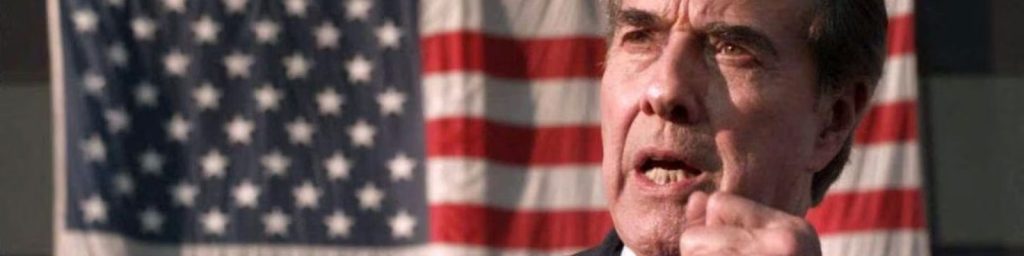
In 1995, Republican presidential candidate and Senate Majority Leader Bob Dole stood at a podium and named Cannibal Corpse specifically as a threat to American character. He reportedly hadn’t listened to the music himself — his staff prepared the materials. Didn’t matter. The speech made national headlines and gave every nervous retail chain manager in the country political cover to pull the records immediately.
The frustrating irony is that the same stores refusing to stock Cannibal Corpse were selling crime fiction with comparable content. The difference was purely aesthetic — distorted guitars and painted cover art read as dangerous in a way a paperback thriller didn’t. One Senator’s speech, zero personal listening time, and a genre got pushed further underground overnight.
#6 – Cannibal Corpse and the Banned Album Covers
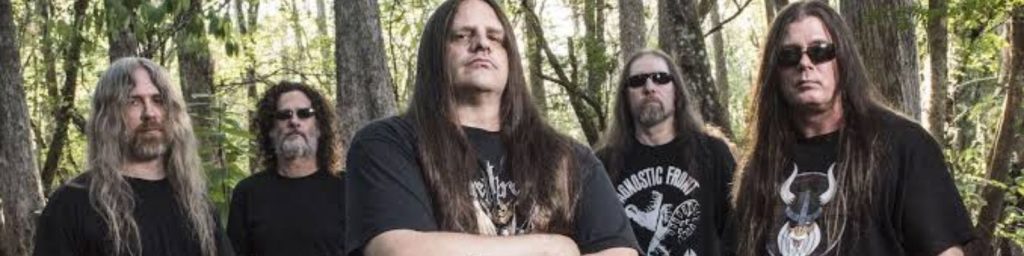
Cannibal Corpse were legally banned — not metaphorically, actually legally banned — in Germany, Australia, South Korea, and New Zealand. Their first three albums couldn’t be sold, imported, or even displayed in Australian retail. Germany required them to perform without showing their artwork on screen at concerts. They complied and sold out shows anyway.
In 1994, they appeared in “Ace Ventura: Pet Detective” performing Hammer Smashed Face while Jim Carey worked the crowd and eventually got on stage. A band banned by the German government in a Jim Carey comedy. Whether Carey was a genuine fan or had never heard of them before filming is still disputed — the band remembers him reciting their lyrics; his son-in-law claimed he’d never heard of them. Either way, Cannibal Corpse became one of the best-selling death metal bands of all time partly because everyone who couldn’t buy their records desperately wanted to know what the fuss was about.
On a side note – I definitely remember there being banned Cannibal Corpse albums sold in independant record stores in the 90s – but they were always imports. I wonder if that’s how the record store owners got around it? Did you notice this happening in the 90s with Cannibal Corpse or any other bands? Let me know in the comments! Let’s get back into it.
#5 – Deicide’s Glen Benton and the Brand on His Forehead

Glen Benton has burned an inverted cross into his own forehead approximately twelve times. Although, the number is probably higher by now. He started at age 22. On at least one occasion he burned deep enough to see veins and bone. He stopped when his mother begged him to.
He also spent the 1990s publicly claiming he would kill himself at 33 — the inverse of Christ’s age at death. He passed 33 in 2000 without incident and later called those statements “asinine remarks.” His band Deicide released music so graphically blasphemous that it was banned outright in multiple countries, with Australian retail restrictions and German customs seizures making the records effectively unavailable through legitimate channels for years. Whether Benton’s extreme public persona was performance, genuine belief, or a man in serious distress that nobody around him treated seriously is a question that still doesn’t have a clean answer.
#4 – Possessed’s Seven Churches and the Invention of a Genre Nobody Was Ready For
In 1985, a group of Bay Area teenagers recorded Seven Churches during spring break and accidentally invented death metal. Vocalist Jeff Becerra was seventeen. The album hit like a bomb — church groups used it as evidence of Satanic infiltration, record stores hid copies, parents called radio stations.
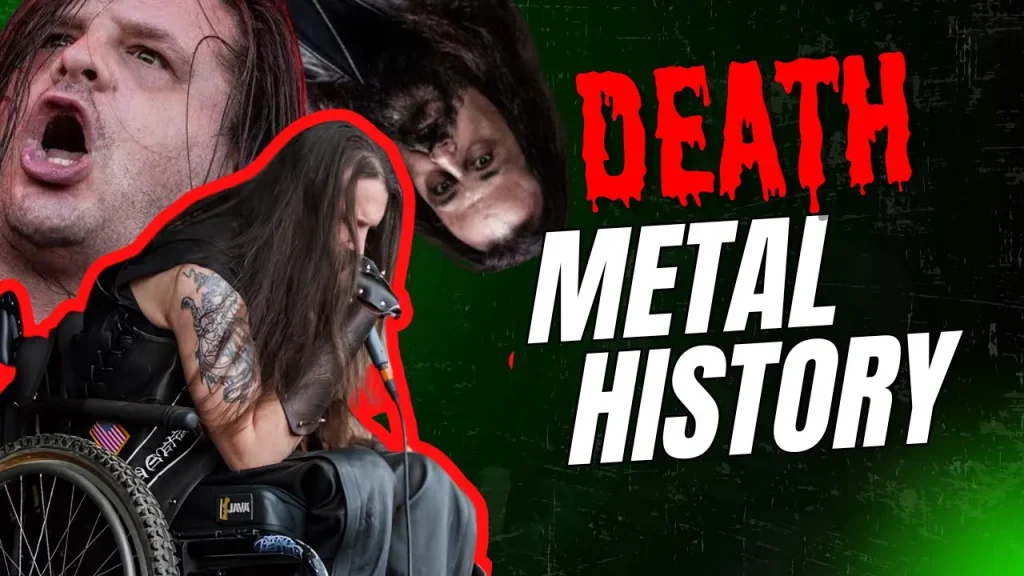
Then in 1989, Becerra stopped to buy cigarettes after a thirteen-hour construction shift. Two gunmen confronted him on the way out. He resisted. A bullet lodged in his spine and paralyzed him from the chest down. He was 21. The band had already broken up. His injury had nothing to do with music — just random street violence landing on the wrong person at the wrong moment. He reformed Possessed in 2007 and has performed from a wheelchair ever since. In 2021 he walked again for the first time in over thirty years using robotic legs. The kid who invented death metal. Paralyzed before he turned 22. The genre still hasn’t fully processed that one.
#3 – The Death of Chuck Schuldiner and the Insurance Company That Let Him Down (which happened in 2001)

Chuck Schuldiner invented death metal. His band Death, formed in Florida in the mid-1980s, defined the genre’s sound and ambitions. He was brilliant, relentlessly evolving, and completely without financial safety net when it mattered most.
In May 1999 he was diagnosed with pontine glioma — aggressive brain cancer. He had surgery in January 2000 and appeared to recover. In response, he decided to get health insurance. However, when the cancer returned in 2001, the insurer refused coverage because the tumor was a pre-existing condition. The metal community held auctions — Kid Rock, Korn, Red Hot Chili Peppers donated items — but the money was poorly managed and most of it never reached his family. Chuck died December 13, 2001, aged 34.
He did the right thing, he got insurance, and the insurance company found a clause – which gave them every excuse to screw him! As a result, the man who created an entire genre died while his family ran fundraising auctions.
#2 – The Slow Collapse of Vinnie Paul Abbott (2004–2018)

Although, not technically death metal – this series of events spans fourteen years and involves grief on a scale that’s hard to comprehend from the outside.
On December 8, 2004, Dimebag Darrell Abbott was shot and killed on stage at the Alrosa Villa in Columbus, Ohio during the first song of a Damageplan set. His brother Vinnie Paul was there that night. As a result, he watched his brother die, but this didn’t stop Vinnie from making music. He formed Hell yeah, kept performing, and kept releasing new material. But people close to him described someone quietly destroyed by what happened in Columbus. Unfortunately, he never spoke to Phil Anselmo again, he never reunited Pantera – and he never made peace with that night.
Vinnie Paul died on June 22, 2018 from dilated cardiomyopathy — heart failure — at the age of 54. The tributes were immediate and enormous. But underneath all of it was the recognition that he had been dying by degrees since December 2004, that grief at that depth leaves marks that performing and staying busy can’t cover. The Abbott brothers are buried together in Arlington, Texas. Both in KISS Kaskets — which seems fitting. It’s the most Dimebag and Vinnie thing imaginable, and somehow that makes it so much sadder.
#1 – The West Memphis Three

In 1993, three eight-year-old boys were murdered in West Memphis, Arkansas. Three teenagers were arrested — Damien Echols, Jason Baldwin, and Jessie Misskelley — largely on the basis of Echols wearing black clothes and listening to heavy metal. Echols was sentenced to death. Baldwin and Misskelley received life sentences. The physical evidence connecting any of them to the crime was essentially nonexistent.
Echols spent seventeen years on death row. The Paradise Lost documentary series by Joe Berlinger and Bruce Sinofsky brought the case international attention. Eddie Vedder and Johnny Depp became public advocates. In 2011 all three were released via an Alford plea — maintaining their innocence while acknowledging the state had sufficient evidence to convict them. Echols continues to pursue full exoneration.
All in all, a teenager was nearly executed because of what was on his record shelf. And three people lost the better part of their lives – because a small community decided that looking like a metal fan was just as good as a murder confession. But the music itself didn’t put those boys in danger. The fear of the music did. And that distinction — between what extreme music actually is and what terrified people decide it represents — is the darkest thing on this entire list.
As you can see, Death metal has always been honest about the worst of what humans are capable of. Its even rooted out people in the community who’ve outwardly spoken against the genre – exposing those evil bastards for who they really are. So I guess the least we can do is be equally honest about what happened to the people who made it. Do the unfortunate souls who continue adding to the lore of this transgressive music genre deserve whats come their way? Let me know what you think in the comments – and I’ll see you guys next time – for the next episode.
More Heavy Music on Soda and Telepaths
- 13 Dark & Disturbing Moments in Norwegian Black Metal History
- Excuse For An Exit Announce Debut EP ‘Glitter & Grief’ with New Single “Black Cat Superstar”
- Rock N Roll Dive Bar “Wings & Tins” Plans To Put Northern Beaches on the Aussie Touring Map
- RinRin Signs to Fearless Records, Releases ‘fever dream’, Touring with Windwaker