Previously on The First Vixen
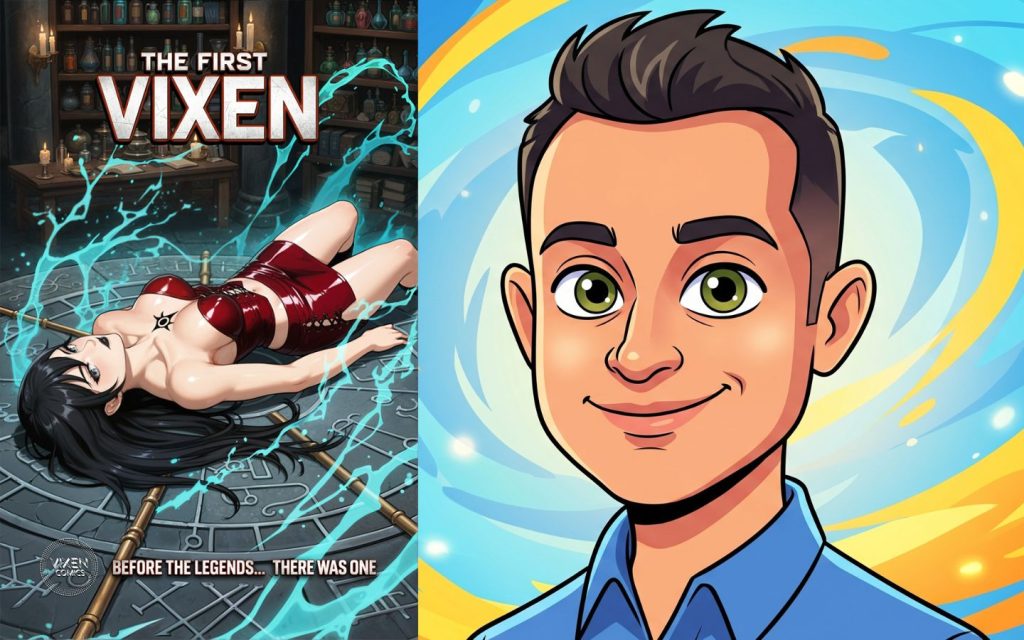
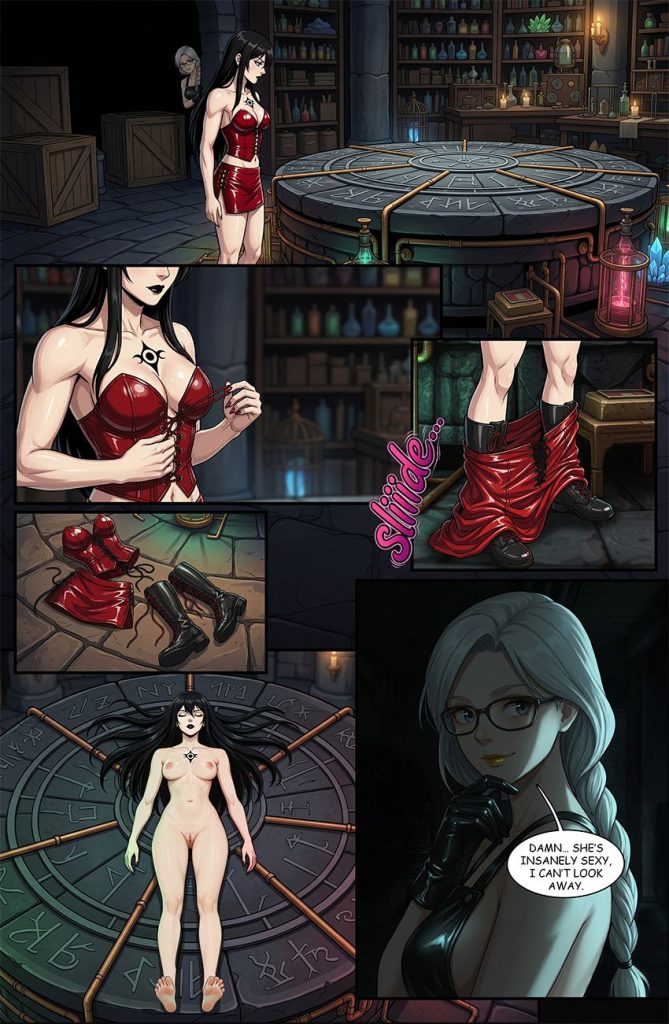
Aria Taheri is building something from scratch — a mythology, a publisher, and now an origin story. The First Vixen is the gothic sci-fi graphic novel that kicks off the Vixens legend at its very beginning: before the lore calcified. At its centre is Mara, a woman surviving a city engineered around systems of control, who steps toward transformation not because destiny calls her but because curiosity does. As Taheri puts it, it’s a story about what happens when someone chooses change without knowing the cost — which is also, not coincidentally, a pretty accurate description of what Vixen Comics just did on Kickstarter.
The campaign for The First Vixen has cleared 335% of its funding goal with nearly two weeks still on the clock, which tells you something about the appetite for gothic science fiction with strong female leads. It’s a sixty-page standalone that also functions as the foundation of something much harder to put down once you start pulling at the threads. We sat down with Taheri to talk about merging genres that don’t usually share a table, writing women who reclaim agency rather than merely endure, and what it actually means to build a universe from its very first page outward.
Interview with Aria Taheri
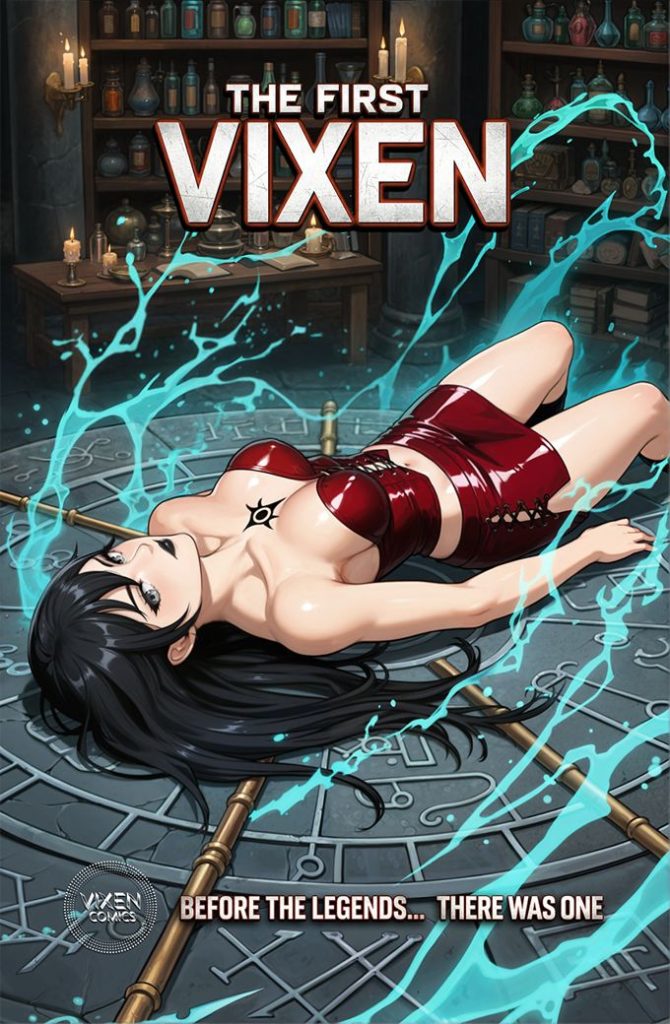
The First Vixen is described as a “gothic sci-fi origin story.” Those two genres don’t always get paired together — how did that combination come about, and what does each bring to the story?
Aria Taheri: I’ve always loved the atmosphere and emotional depth of gothic storytelling, but I also enjoy the sense of mystery and possibility that science fiction brings. Gothic fiction explores identity, transformation, and power, while science fiction allows me to ask bigger questions about humanity, technology, and the unknown. Combining the two felt natural because both genres deal with change. The result is a world that feels ancient and mysterious while still holding secrets beyond what its people understand.
You’ve built an entire “Vixens legend” with its own lore. Where did that mythology begin for you, and when did you know this world was big enough for an origin story?
Aria Taheri: The mythology started with a simple question: where did the Vixens come from? As I developed the world, I realized there was a much larger history behind them than what appeared on the surface. Every answer seemed to create new questions, and eventually the lore grew into something that felt worthy of its own universe. Once that happened, telling the very first chapter became unavoidable.
The campaign emphasizes this being a mature story. What does maturity mean in the context of this book — is it tone, themes, content, or something else?
Aria Taheri: For me, maturity is primarily about themes and tone. The First Vixen explores difficult choices, personal sacrifice, power, identity, and the consequences of transformation. The story doesn’t shy away from darker subject matter, but it’s never included simply for shock value. Everything serves the narrative and the emotional journey of the characters.
Who is the woman at the center of this origin, and what makes her the right person to begin the Vixens legacy?
Aria Taheri: At the center of the story is Mara, a woman who has learned how to survive in a harsh and often unforgiving world. She isn’t a chosen hero or a legendary warrior. What makes her important is her willingness to step into the unknown when most people would walk away. Her courage comes from curiosity and determination rather than destiny.
RELATED: An Interview with ‘Blam & Glam’ Creator: Richard A Morgan
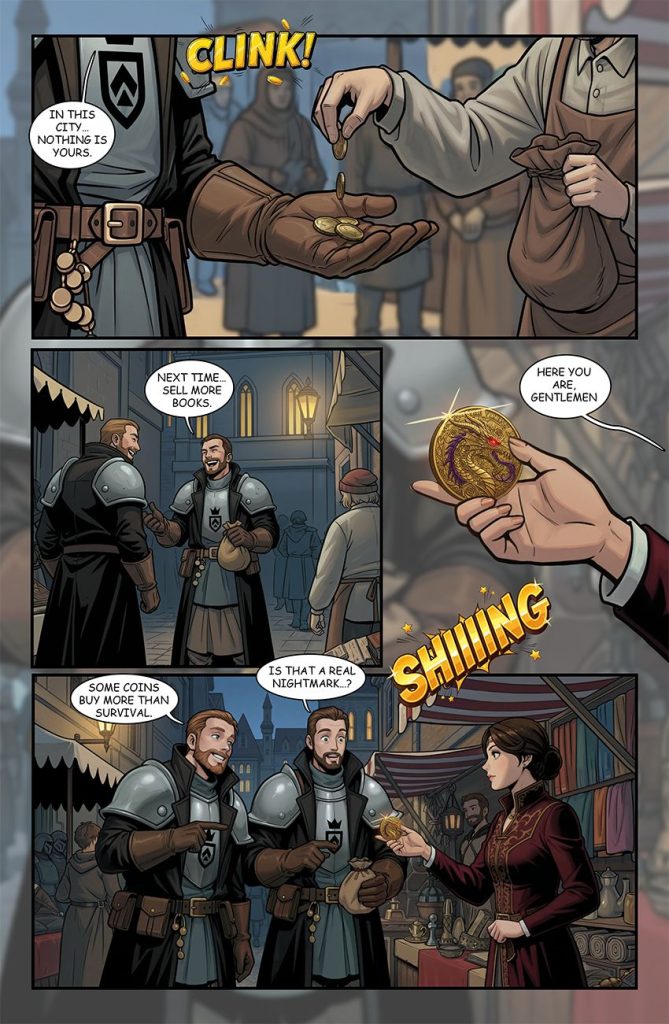
Origin stories live or die by how well readers understand why a character becomes who they are. What’s the emotional core of her transformation?
Aria Taheri: The emotional core is self-discovery. Mara begins the story feeling disconnected from the life she’s living. She senses that there’s something more beyond the limits society has placed around her. Her transformation isn’t just physical; it’s about becoming the person she was always meant to be. The story asks what happens when someone chooses change despite not knowing the cost.
Gothic fiction often explores women navigating power in dark or oppressive systems. Is that a lens that was intentional in how you wrote this character?
AT: Absolutely. The city Mara lives in is built around systems of control, and much of the story explores how individuals respond to those pressures. Mara’s journey isn’t about rebellion for its own sake. It’s about reclaiming agency over her own future. That theme felt very appropriate for both gothic storytelling and the larger Vixens mythology.
This is roughly a 60-page graphic novel — how did you decide on that scope? Was there a longer version you had to cut down, or did the story naturally fit that form?
AT: The story naturally settled around that length. I wanted enough room to properly introduce the world, develop Mara’s journey, and deliver a satisfying origin story without unnecessary filler. There were certainly ideas and pieces of lore that could have expanded the book, but keeping the narrative focused ultimately made it stronger.
How collaborative is your process between writing and art? Do you write full scripts and hand them off, or is it more fluid than that?
AT: It’s a collaborative process. I start with a structured outline and detailed script, but visual storytelling is incredibly important in comics. During production, ideas often evolve as scenes take shape on the page. Sometimes artwork inspires adjustments to pacing or presentation, so there’s always room for creative collaboration.
Vixen Comics has also done the Monster Vixens gothic pin-up artbook. How does the aesthetic of that project connect to or influence The First Vixen?
AT: Both projects share a love for gothic aesthetics, striking female characters, and atmospheric worldbuilding. However, The First Vixen is very much a story-first project. While the visual style carries some of the same dark fantasy influences, the focus here is on narrative, character development, and mythology. In many ways, it represents the next evolution of the Vixens brand.
You’ve achieved 279% of your funding goal — has that level of response surprised you, and what do you think has resonated most with backers?
AT: The support has been incredibly encouraging. Every creator hopes readers will connect with their work, but seeing that level of enthusiasm is always rewarding. I think backers have responded to the combination of original worldbuilding, strong female characters, gothic atmosphere, and the sense that this is the beginning of something larger. People enjoy discovering a new universe from its very first chapter.
What made Kickstarter the right platform for this project rather than pitching to a publisher?
AT: Kickstarter allows creators to connect directly with readers. It provides the freedom to tell the story exactly as envisioned while building a community around the project. The platform also allows readers to become part of the journey from the very beginning, which creates a much more personal experience.
RELATED: An Interview with the Creator of ‘Boston Metaphysical Society’: Madeleine Holly-Rosing
For creators thinking about launching their first campaign, what’s the one thing you wish someone had told you before you hit “launch”?
AT: Preparation matters more than launch day. Many people focus on the campaign itself, but a great deal of success comes from the work done beforehand — building an audience, creating promotional materials, and communicating clearly about the project. The campaign begins long before the launch button is pressed.
Is The First Vixen a standalone book, or is this the beginning of a larger series or universe you’re building out?
AT: It works as a complete standalone graphic novel, but it is also the foundation of a much larger universe. Readers will get a full story while also seeing the first pieces of a mythology that future projects will continue to explore.
Gothic sci-fi with strong female protagonists is still relatively niche in indie comics — do you feel like you’re part of a growing movement, or does it still feel like carving out new space?
AT: A bit of both. I think audiences are increasingly interested in stories that blend genres and feature strong female leads in meaningful roles. At the same time, gothic sci-fi remains a relatively unexplored corner of the medium, which creates exciting opportunities for creators willing to experiment and build something unique.
What do you want a reader to feel the moment they close this book?
AT: I want readers to feel that they’ve witnessed the beginning of a legend. My goal is for them to enjoy a complete and satisfying story while also feeling curious about the mysteries that still lie ahead. Ideally, the final page leaves them eager to return to this world.
Where can my readers find you online?
AT: Readers can follow Vixen Comics through our Kickstarter page, social media channels (Facebook, Discord) and upcoming project announcements. We regularly share artwork, updates and previews of future campaigns.
Will you be picking up a copy of The First Vixen?
Did this Aria Taheri interview convince you to pick up an issue of The First Vixen? What’s your favourite science fiction comic book series?
Let me know in the comments.
More in Comics, Interviews, Kickstarter