
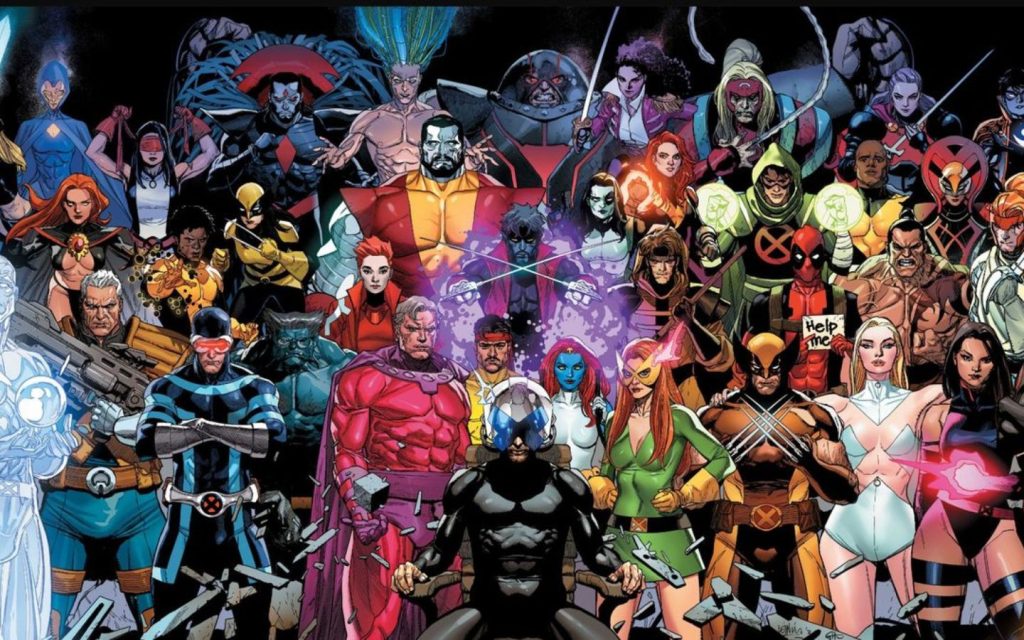
About the X-Men
There’s a very specific feeling you get when you’re deep in an X-Men run — that combination of soap opera drama, superhero spectacle, and genuine political bite that just hits different to everything else in the medium.
Whether you grew up on Chris Claremont’s legendary ‘80s era, got hooked on Morrison’s wild New X-Men reinvention, or stumbled into the Krakoa era and had your brain turned inside out, X-Men does something that most superhero comics don’t even try: it makes you care. About outcasts. About systemic prejudice. About the question of whether hope is even worth holding onto when the world keeps proving it doesn’t want you.
The bad news is there’s only so much X-Men to read before you’re mainlining back issues at 2am wondering why Cyclops gets such a hard time (he’s right, actually). The good news is that comics — indie, mainstream, translated, underground — are absolutely packed with series that scratch that same itch. Chosen families fighting impossible odds. Superpowers as metaphor.
Teams that bicker and betray each other and still somehow show up when it counts. This list is for those of you looking for your next obsession. These aren’t just books that are “like X-Men” in a surface-level way. These are comics that understand what made you fall in love with the X-Men in the first place.
Let’s get stuck in.
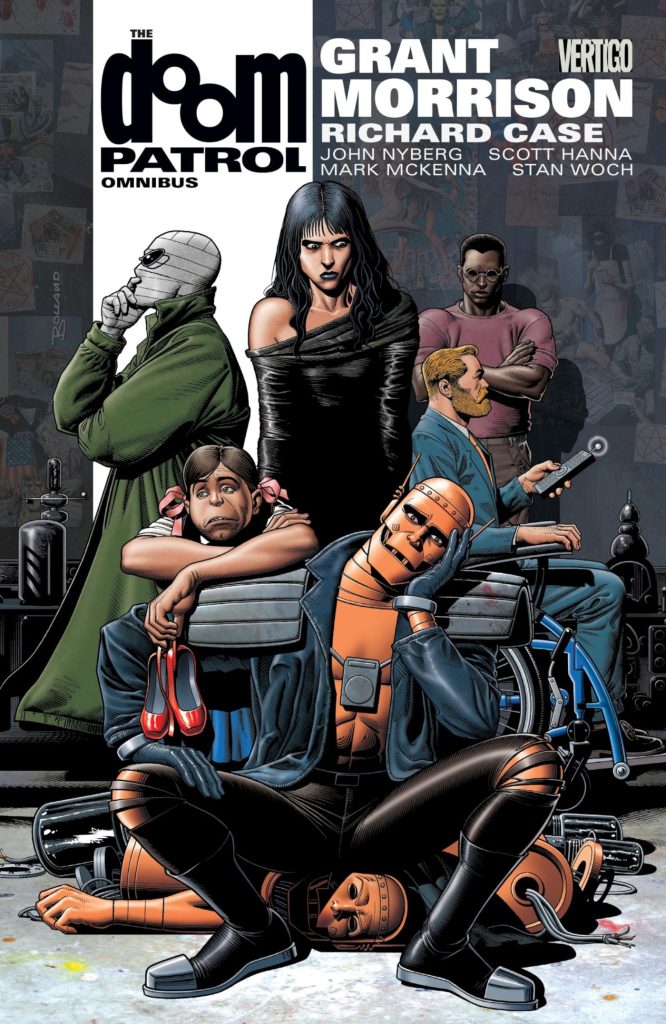
1. Doom Patrol (1989)
Grant Morrison’s run on Doom Patrol is essentially the blueprint for what weird, outsider superhero comics can be. The team is a collection of genuinely strange people — a sentient street, a man whose multiple personalities are literally different superheroes, a woman with 64 independently operating bodies — living at the absolute fringes of the DC Universe, fighting threats so conceptually bizarre they feel like they crawled out of a fever dream crossed with a philosophy textbook.
Why X-Men fans will love Doom Patrol
If you’ve ever thought the X-Men at their best were more interested in ideas than punching, Morrison’s Doom Patrol is the book for you. Same energy of misfits who can never quite fit into the world, dialled up to eleven and dipped in surrealism. This run basically invented the template Morrison would later bring to New X-Men.
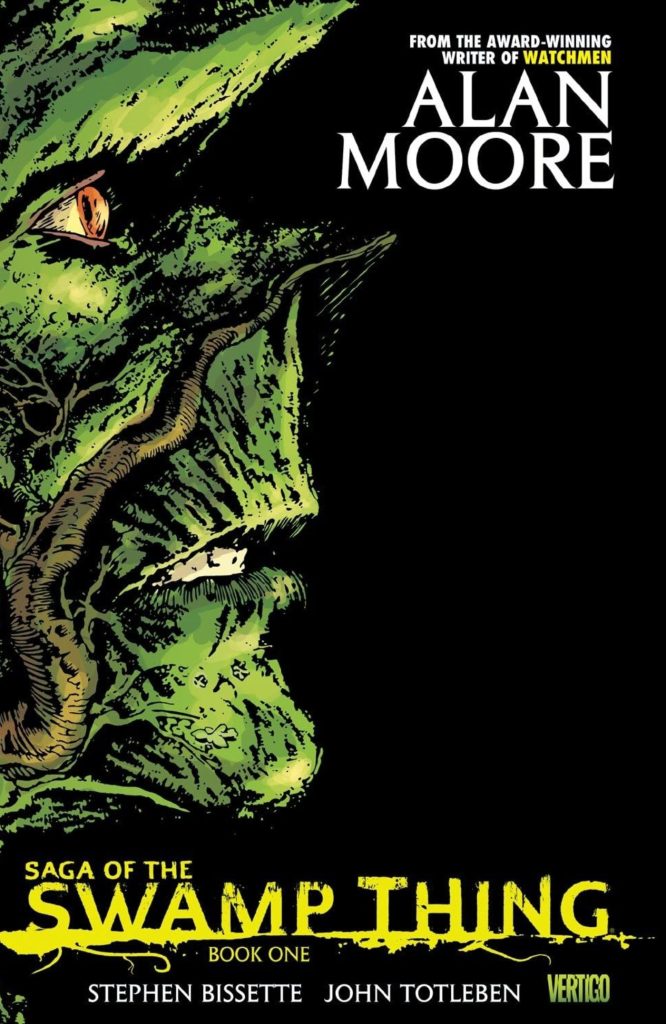
2. Saga of the Swamp Thing (1984)
Before Watchmen. Before From Hell. Alan Moore showed up at DC and quietly revolutionised what a mainstream superhero book could do with a run on Swamp Thing that nobody asked for and everybody needed. It’s a horror book, yes, but it’s also a meditation on identity, consciousness, and what it means to belong somewhere when you’re something the world has never seen before.
Why X-Men fans will love Saga of the Swamp Thing
The central question — what am I, really? — is the same one the X-Men have been wrestling with since 1963. Moore’s Swamp Thing is a masterclass in taking a character who exists as Other and making that otherness feel profound rather than pitiable. Essential reading.
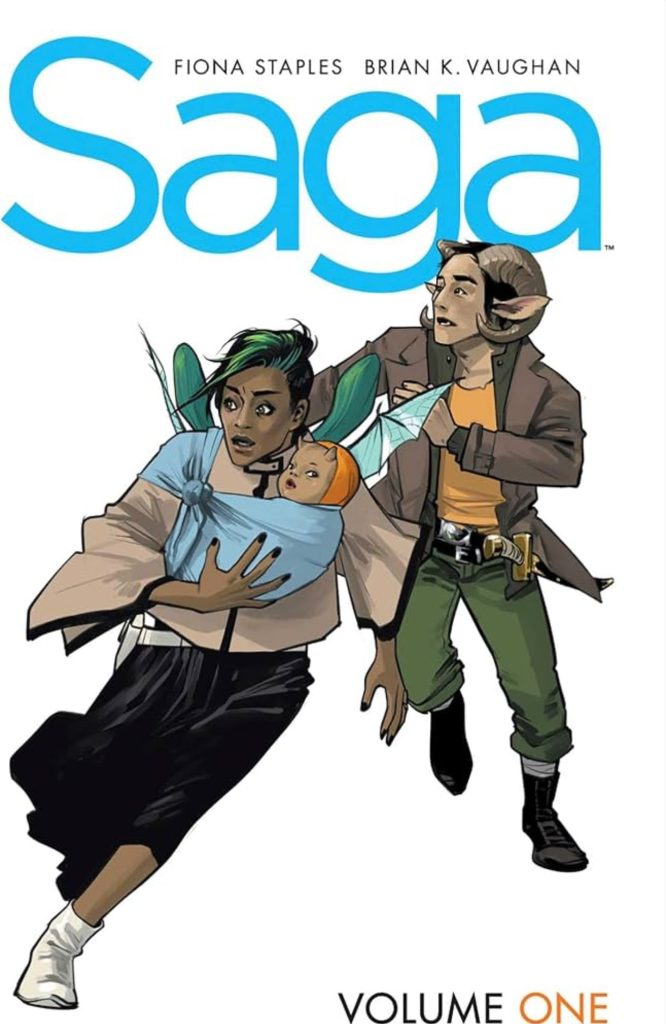
3. Saga (2012)
Two soldiers from opposite sides of an intergalactic war fall in love, have a baby, and spend the next several years running from basically everyone in the universe who wants them dead. Saga is epic, cosmically operatic and genuinely funny and then it will absolutely break your heart in the quietest possible way. Fiona Staples’ art is unlike anything else in mainstream comics right now — expressive and strange and beautiful all at once.
Why X-Men fans will love Saga
Saga is fundamentally about people who exist between worlds, refused by both sides, just trying to keep their family alive. The prejudice the main characters face for crossing the line between their species is X-Men allegory in space. Plus it delivers that same addictive mix of action, politics, and emotional devastation.
4. Black Science (2013)
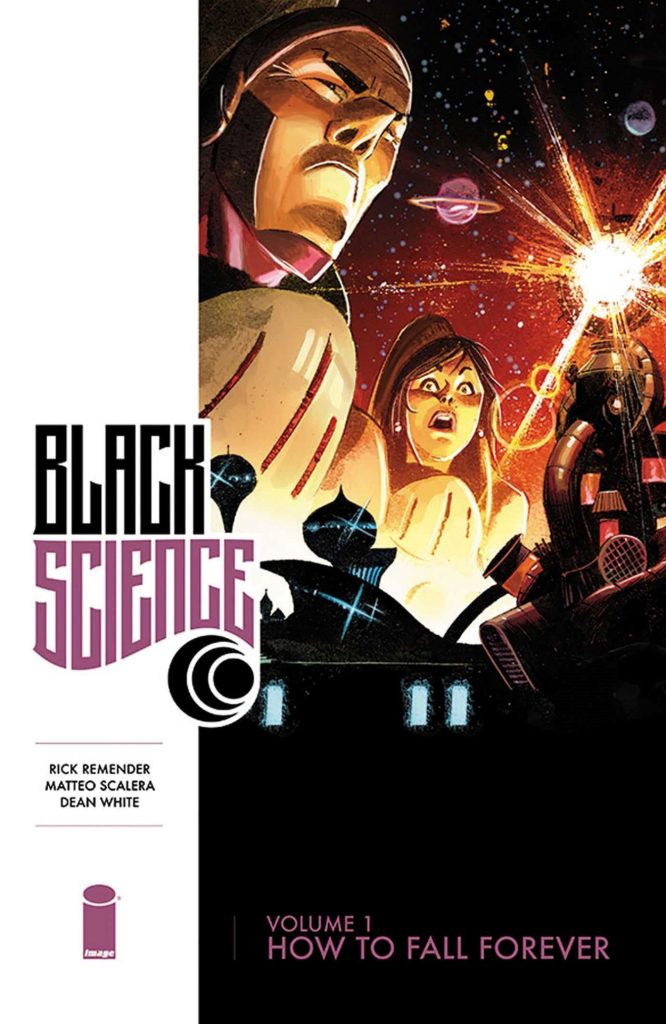
An anarchist scientist accidentally invents a device that punches holes between dimensions, and then everything immediately goes catastrophically wrong. Black Science is a non-stop interdimensional chase comic with one of the most genuinely complicated protagonists in recent memory — a man who is absolutely terrible in ways you understand, which almost makes it worse.
Why X-Men fans will love Black Science
The ensemble dynamics here are pure X-Men — a group of wildly different people thrown together by circumstance, forced to rely on each other, unable to stop sabotaging themselves. Matteo Scalera draws action sequences that feel genuinely kinetic in a way that very few comics manage.
5. Warhammer 40,000: Marneus Calgar (2020)
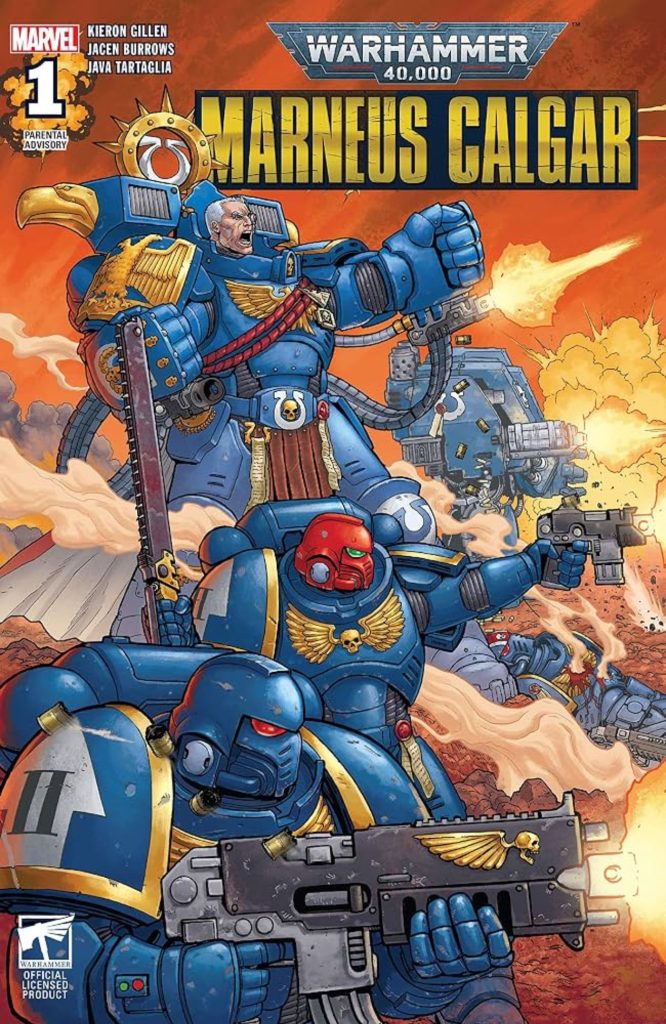
After a successful run in the X-Men universe, Kieron Gillen turned his attention to Warhammer 40,000 and produced something that even people who’ve never touched a Space Marine can enjoy. It’s a war story, a political story, and a tragedy all compressed into one surprisingly human package.
Why X-Men fans will love Warhammer 40,000: Marneus Calgar
Gillen writes outsider characters who carry the weight of systems larger than themselves better than almost anyone working in comics. If you loved his X-Men work, this shows that the same intelligence is operating across every genre he touches.
6. Paper Girls (2015)
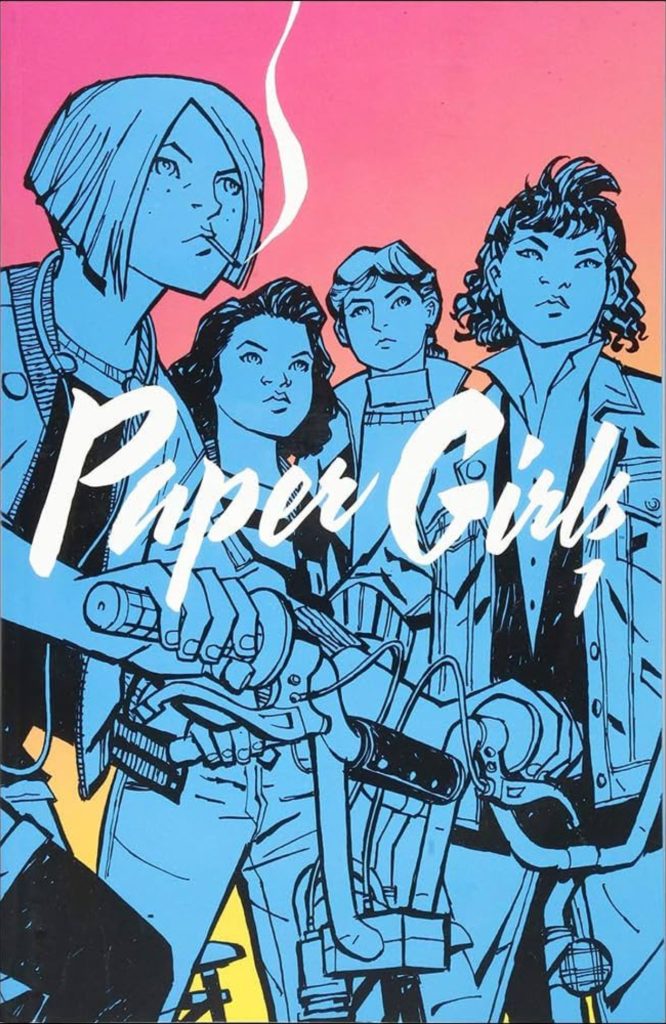
Four twelve-year-old girls doing their paper route in 1988 get dragged into a time war they don’t understand between factions they can barely comprehend. Paper Girls is one of those comics that earns comparison to Stranger Things and then surpasses it by actually committing to its emotional stakes and letting its characters be genuinely complicated.
Why X-Men fans will love Paper Girls
The core of Paper Girls is a group of outsiders — girls in a time when girls weren’t supposed to be out after dark doing anything — thrown into an impossible situation and forced to figure it out together. The time travel mechanics eventually get as convoluted as any Claremont continuity, but in the best possible way.
7. East of West (2013)
Jonathan Hickman built the entire Krakoa era of X-Men but before that he wrote some of the most architecturally ambitious Avengers comics in memory. East of West is him completely off the leash. It’s an alternate history America in which the Civil War never ended, the Four Horsemen of the Apocalypse are real and operating as agents of chaos, and everyone is lying to everyone else about what they actually want. It’s dense. It rewards rereading. It’s extraordinary.

Why X-Men fans will love East of West
If you fell in love with Hickman’s X-Men because of its structural ambition and its willingness to treat the reader as intelligent, East of West is that same brain operating without any editorial guardrails. Essential.
8. Planetary (1999)
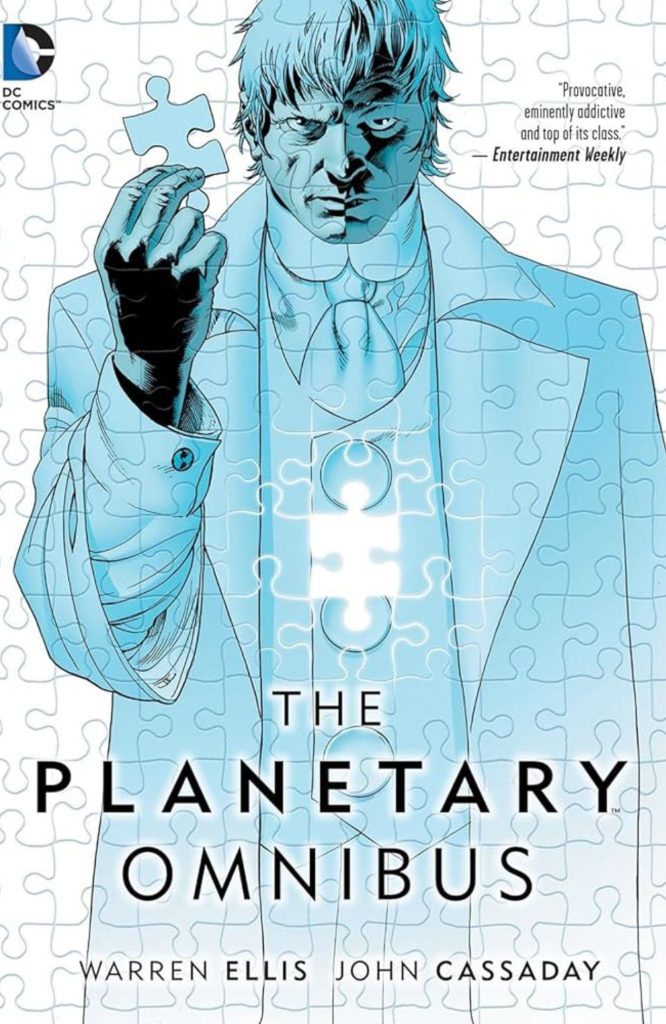
A team of archaeologists of the impossible investigate the secret history of a world built on superheroes, monsters, and buried truths. Planetary is a love letter to pulp fiction and silver age comics that also manages to be a genuinely exciting mystery and a legitimately moving story about what knowledge costs and who gets to control it.
Why X-Men fans will love Planetary
The trio at the heart of Planetary have the same charge as the best X-Men lineups — complementary powers, fascinating dynamics, a sense that the team is greater than the sum of its parts. And Cassaday’s art is just staggering. Every issue feels like an event.
9. Lazarus (2013)
The world has been divided between a handful of ultra-powerful families who control everything. Each family has a Lazarus — a genetically engineered warrior who is faster, stronger, and nearly impossible to kill — who serves as their instrument of violence. Forever Carlyle is the Lazarus of the Carlyle family, and she’s beginning to ask questions she’s not supposed to ask.

Why X-Men fans will love Lazarus
Lazarus is Wolverine’s story if you stripped away the superhero context and dropped it into the darkest possible political thriller. A genetically modified weapon trying to figure out whether she has autonomy, whether she has a family, whether she can trust anyone. Rucka and Lark are operating at the peak of their powers here.
10. We3 (2004)
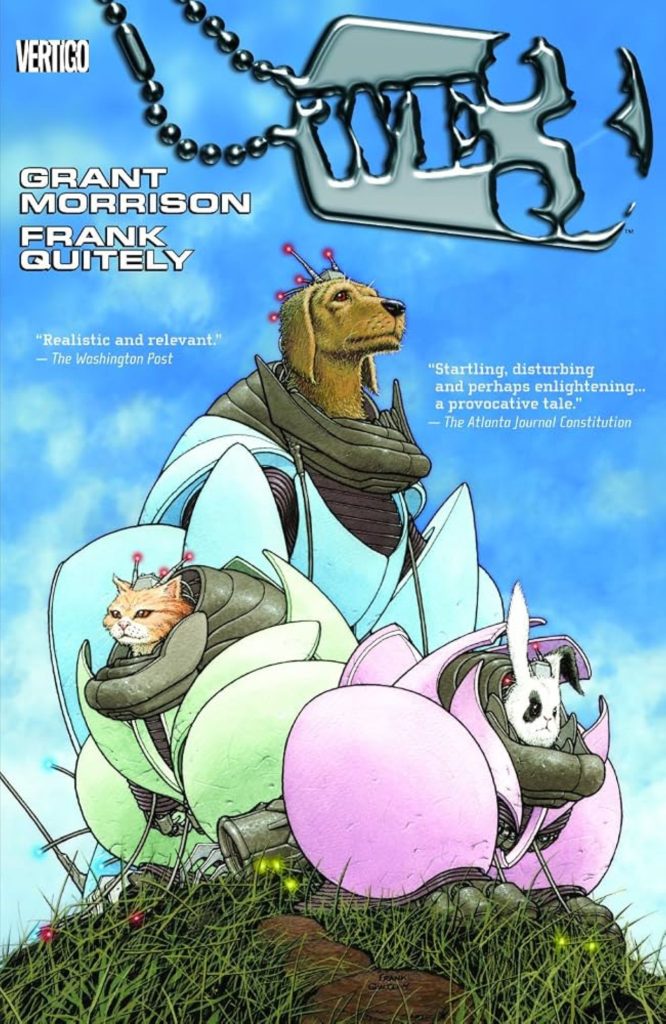
A dog, a cat, and a rabbit have been turned into military weapons. They’ve been given armour, enhanced intelligence, limited language, and the ability to kill very efficiently. Now the programme is being shut down, which means the animals need to be terminated. They escape. The government sends something worse after them.
Why X-Men fans will love We3
We3 is three issues long and will destroy you emotionally. It is, at its core, a story about created weapons who develop enough consciousness to want something other than what they were made for — which is the X-Men story, distilled to its absolute essence, told in one of the most formally inventive ways comics have ever managed. Morrison and Quitely did something extraordinary here.
11. Prophet (2012)
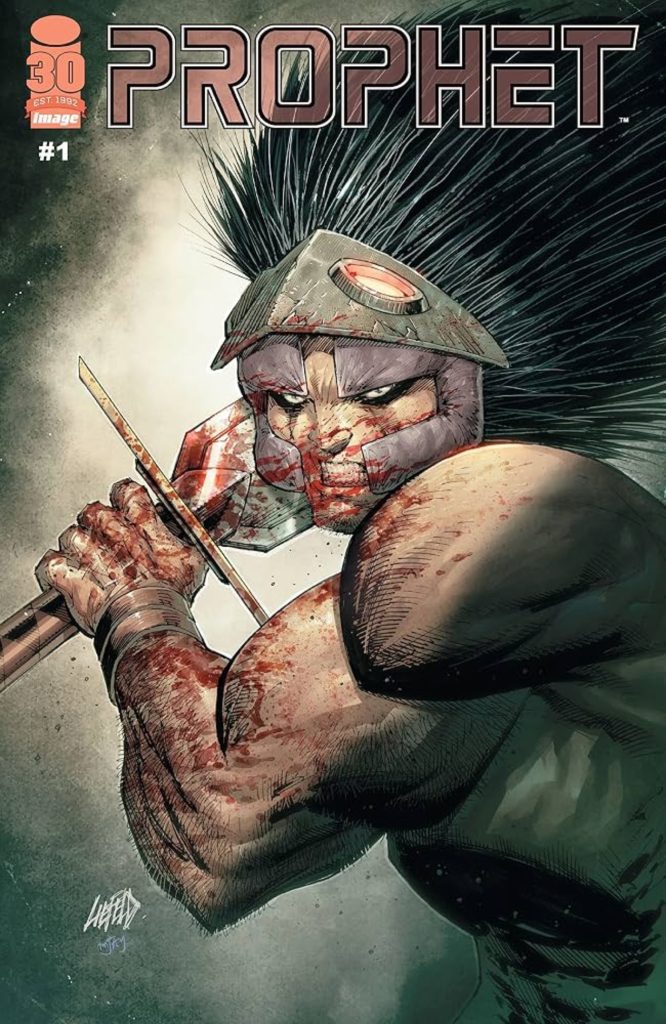
An Image Comics revival that took a forgotten Rob Liefeld character and turned him into the anchor for one of the strangest, most ambitious science fiction comics of the last decade. John Prophet wakes up in the far future and has to find his way across a world that has moved on without him, in a universe that feels genuinely alien. Multiple artists rotate through giving each arc a completely distinct visual identity.
Why X-Men fans will love Prophet
If you love the X-Men when they go full cosmic weird — the Shi’ar Empire, the Starjammers, the genuinely strange outer space stories — Prophet is that energy with the restraints completely removed. It’s one of the most creative uses of the comics medium in recent memory.
12. Ody-C (2014)
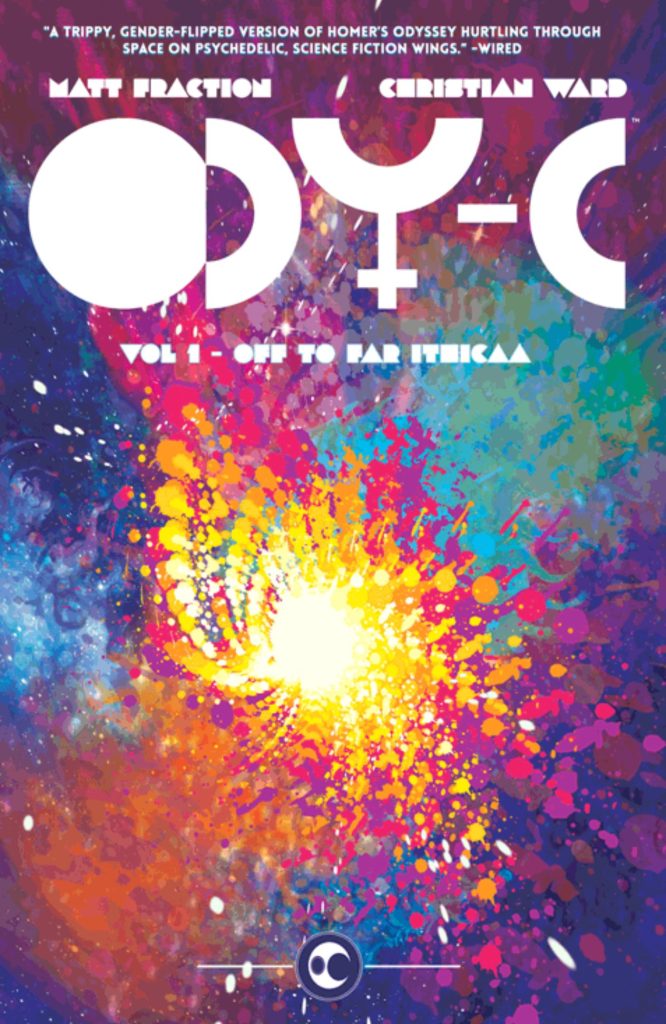
The Odyssey. In space. Gender-swapped. Told in a structure that echoes the original epic’s verse form. With Christian Ward doing some of the most psychedelic, visually overwhelming art in contemporary comics. Ody-C is a book that demands your full attention and rewards it with something that feels genuinely mythological.
Why X-Men fans will love Ody-C
The X-Men at their best have always had mythological ambition — these aren’t just superhero stories, they’re about exile and belonging and what it costs to be different. Ody-C operates at that same register and adds a formal boldness that makes it unlike anything else on the shelf.
13. Descender / Ascender (2015)
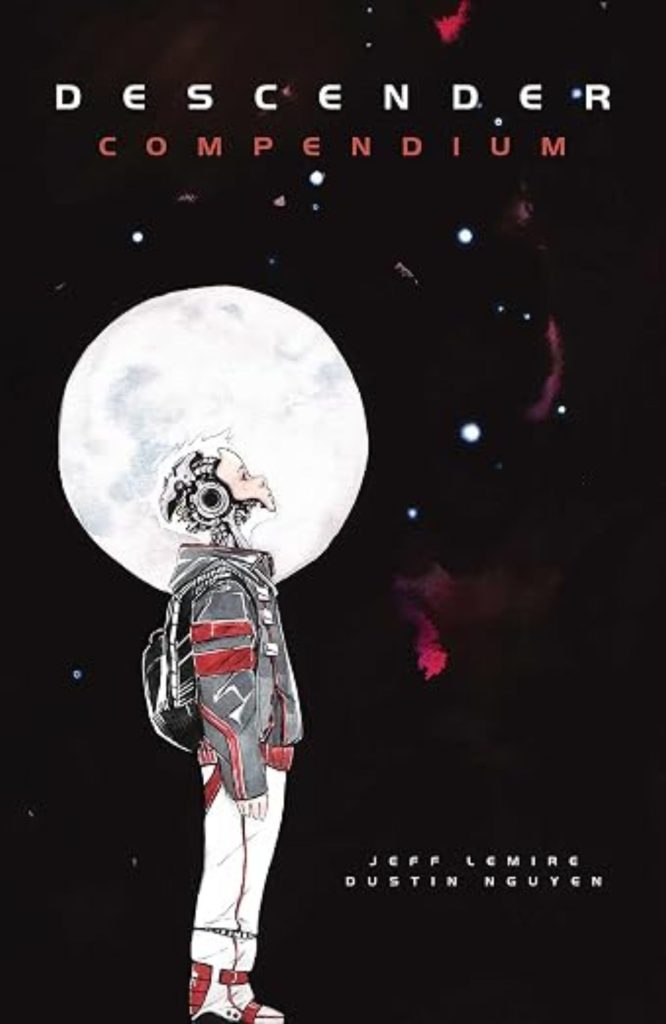
Robots have been outlawed across the galaxy following a catastrophic attack. TIM-21 is a child robot who wakes up on a mining colony to find everyone dead and himself hunted. Dustin Nguyen draws the whole series in watercolour, which shouldn’t work for a science fiction comic but it absolutely does.
Why X-Men fans will love Descender / Ascender
Descender is the robot rights story in the same way X-Men is the mutant rights story — using speculative fiction to examine what happens when a class of beings is feared and persecuted for what they are rather than what they’ve done. Lemire handles the emotional beats with a lot of care. Then sequel series, Ascender, shifts genres in a way that’s genuinely surprising.
14. The WildStorm (2017)
Warren Ellis dismantles and rebuilds the entire WildStorm universe from scratch — Authority, Gen¹³, Grifter, IO, Skywatch — and turns it into a paranoid, meticulous science fiction thriller about two massive secret organisations who have been managing the world’s relationship with alien technology for decades and are now on a collision course. Every issue is dense. Every issue rewards attention.

Why X-Men fans will love The WildStorm
WildStorm is what happens if you took the X-Men world — secret organisations, hidden agendas, people with extraordinary abilities operating in the shadows — and ran it through a John le Carré filter. Jon Davis-Hunt’s art is precise and beautiful. It’s one of Ellis’s best works.
15. Beautiful Canvas (2017)
A hitwoman is sent to kill a child and instead kidnaps her. What follows is a genuinely strange, darkly funny, emotionally surprising road trip story that refuses to go where you expect. Black Mask Studios published Beautiful Canvas as an original graphic novel and it deserves a lot more attention than it gets.

Why X-Men fans will love Beautiful Canvas
At the end of the day, some of the best X-Men stories are just stories about unlikely people becoming a family by accident and then deciding to protect each other against all odds. That’s Beautiful Canvas. Kivistö’s art has a scratchy expressiveness that fits the story’s weird tone perfectly.
Final Thoughts
There’s no real substitute for the X-Men. Sixty-plus years of continuity, created by hundreds of writers and artists will do that to a comic book. The X-Men are so much more than an idea. They’re an ideal. An ideal that hatred and bigotry can be overcome as long as you keep fighting for it. It’s an ideal that’s much bigger than any one franchise so I hope you check out some of these comics on this list.